
Police stations · State Police troops · 24/7
Connecticut Police Departments Where Bail Starts After an Arrest
Connecticut police departments decide the first bond after almost every arrest. This guide covers local departments, State Police troops and how a bail bond is posted at the station, so your loved one can come home sooner.
Police Bail at a Glance
Key facts for families calling from the station.
- 95 municipal police departments
- 11 State Police troops statewide
- Police set the first bond at booking
- Bonds posted at the station, day or night
- English and Spanish spoken
- (860) 452-2245
95 Departments
Municipal police statewide
11 Troops
Connecticut State Police
169 Towns
Every town has a police agency
24/7/365
Bonds posted any hour
Quick answer: how does bail work at Connecticut police departments?
After an arrest, Connecticut police departments book the person and then either release them on a written promise to appear or set a bond. If a bond is set, a licensed bail bondsman can post it right at the police station, often the fastest way home. If the bond is not posted, the person goes to court on the next business day. Sheila Sanchez Bail Bonds posts police bonds at every department and State Police troop in the state. Call (860) 452-2245.
Local and state police
How Connecticut Police Departments Handle Bail
Connecticut has no county sheriffs, so every arrest in the state is made by a town or city police department, the Connecticut State Police, or a special police force such as a university or tribal department. Whichever agency makes the arrest also handles the first step of the bail process at its own station.
According to the Office of Legislative Research, Connecticut has 95 municipal police departments. Towns without a full department are covered by the State Police, either through a resident state trooper who works in that town or by the troop that serves the area. That is why a family may be told their loved one is at a city police station in one case and at a State Police barracks in another.
At booking, officers take fingerprints and photos, record the charges and check for warrants. They then decide whether to release the person on a written promise to appear or to set a bond amount. Most Connecticut police departments allow a bond to be posted at the station around the clock, which is why calling a bail bondsman right away matters.
Not every station keeps people overnight. Smaller departments may move someone to a larger regional lockup, and anyone who is not released is usually brought to the Superior Court that serves the town on the next court day. Our agents confirm the exact location before anyone drives anywhere.
Special police forces add another layer. Universities, tribal nations and some state agencies employ their own officers. Arrests by those agencies follow the same bail rules, although booking may take place at a nearby municipal station or State Police barracks.
Every department also keeps its own schedule for transporting people to court, which is another reason to act early. A licensed bail bondsman who works with Connecticut police departments every day knows which stations post bonds electronically, which ask for an agent in person, and how long each one usually takes to release someone after the police bond is posted. That local knowledge turns a confusing night into a clear plan.
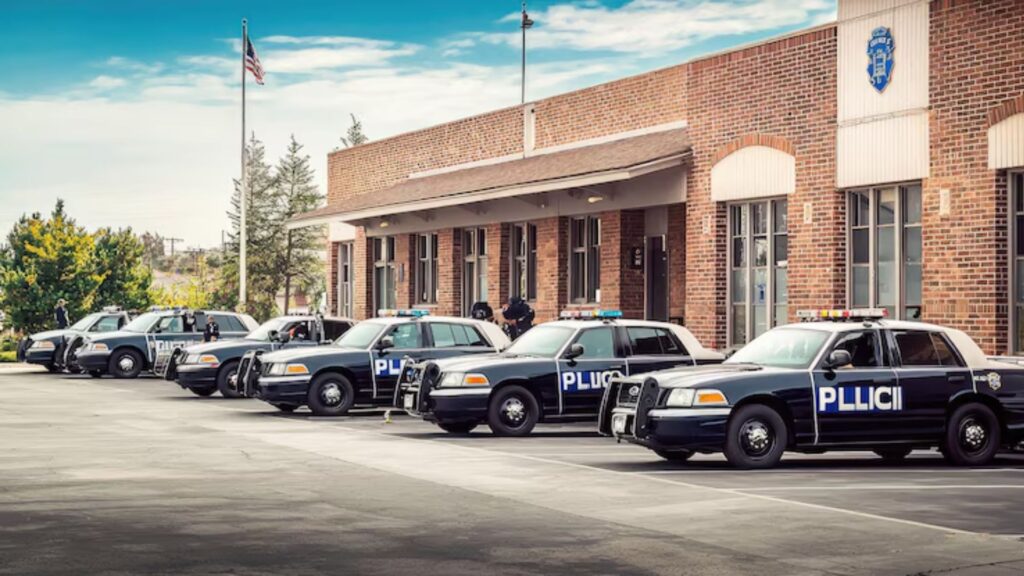
State Police
Connecticut State Police Troops and Barracks
The Connecticut State Police patrol the highways and serve the towns without their own police force. These State Police troops process arrests at the barracks below, and our bail bondsman team posts bonds at each of them.
| Troop | Location | Address | Phone |
|---|---|---|---|
| Troop A | Southbury | 90 Lakeside Road, Southbury | (203) 267-2200 |
| Troop B | North Canaan | 463 Ashley Falls Road (Route 7), North Canaan | (860) 626-1820 |
| Troop C | Tolland | 1320 Tolland Stage Road, Tolland | (860) 896-3200 |
| Troop D | Danielson | 55 Westcott Road, Danielson | (860) 779-4900 |
| Troop E | Montville | Uncasville (P.O. Box 306) | (860) 848-6500 |
| Troop F | Westbrook | 315 Spencer Plains Road, Westbrook | (860) 399-2100 |
| Troop G | Bridgeport | 149 Prospect Street, Bridgeport | (203) 696-2500 |
| Troop H | Hartford | 100R Washington Street, Hartford | (860) 534-1000 |
| Troop H | Bradley Airport post | 30 Firehouse Road, Windsor Locks | (860) 292-7400 |
| Troop I | Bethany | 631 Amity Road, Bethany | (203) 393-4200 |
| Troop K | Colchester | 15A Old Hartford Road, Colchester | (860) 465-5400 |
| Troop L | Litchfield | 452A Bantam Road, Litchfield | (860) 626-7900 |
Source: Connecticut Department of Emergency Services and Public Protection. Troop H also staffs a post at Bradley International Airport.
Bail at the station
How a Police Bond Is Posted in Connecticut
Posting bail at Connecticut police departments follows the same basic path in every town. Here is how a police bond moves from the first phone call to the moment of release.
1. You Call Us
Call (860) 452-2245 with the person's full name, date of birth and the town or troop where they were arrested.
2. We Confirm the Bond
Our agent contacts the police department or troop to confirm the charges, the bond amount and any conditions.
3. Co-Signer Signs
The co-signer reviews the agreement by phone, email or in person and pays the premium or first installment.
4. Bond Is Posted
A licensed agent posts the surety bond with the police, at the station or electronically where allowed.
5. Release
The station completes its paperwork and releases the person with a written court date.
6. Court Reminders
We send reminders before every court date so the bond stays in good standing until the case ends.
Why speed matters
Posting Bail Before Court Saves Time
When a police bond is posted quickly by a bail bondsman, the person usually avoids an overnight transfer and a longer wait for court. These are the three biggest advantages.
Faster Release
A bond posted at Connecticut police departments often means release within hours, without waiting for arraignment.
No Transfer
Posting at the station avoids a transfer to a courthouse lockup or a Department of Correction facility.
Less Disruption
A quick release protects jobs, childcare and family routines while the case moves forward.
Release options
How Connecticut Police Departments Release People
Officers have several options after booking. Knowing them helps you understand what the station tells you on the phone and whether a bail bondsman is needed at all.
Written Promise to Appear
For many lower-level charges, the police release the person after a signed promise to come to court. No money is required.
Non-Surety Bond
The person signs a promise to pay a set amount only if they miss court. Nothing is paid at the station.
Cash Police Bond
A family member pays the full bond amount in cash at the station. The money stays with the court until the case ends.
Surety Police Bond
A licensed bail bondsman posts the full police bond for a premium. This is the most common choice when the bond is large.
Held for Court
In family violence cases and some serious charges, the person is held for arraignment so a judge can review the bond and conditions.
Release Conditions
Any release can come with conditions, such as staying away from a person or place. Breaking them can lead to a new arrest.
By county
Connecticut Police Departments in All 8 Counties
Each county has its own mix of city departments, small-town forces and State Police troops. Choose a county for local details about courts, facilities and bail.
Fairfield County
Hartford County
Hartford, New Britain, West Hartford, Bristol, Manchester and East Hartford police handle most arrests. Troop H in Hartford covers the highways and includes a post at Bradley Airport.
Litchfield County
Torrington, Winchester, Watertown, Plymouth and New Milford have local departments. Troop B in North Canaan and Troop L in Litchfield serve the many towns with resident troopers.
Middlesex County
Middletown, Cromwell, Clinton and Old Saybrook have local police. Troop F in Westbrook and Troop K in Colchester cover the towns that rely on resident state troopers.
New Haven County
New London County
New London, Norwich, Groton, Waterford and Stonington have their own departments. Troop E in Montville and Troop K in Colchester cover highways and smaller towns.
Tolland County
Windham County
Windham, Putnam, Killingly and Plainfield have local police. Troop D in Danielson covers I-395 and the many towns that rely on resident troopers.

Resident troopers
Towns Without Their Own Police Department
Many smaller Connecticut towns do not have a full police department. Instead, they pay for one or more resident state troopers who live and work in the community, sometimes supported by town constables. Other towns rely directly on the State Police troop that covers the area.
When an arrest happens in one of these towns, the person is usually booked at the State Police barracks for that troop, not at a town hall. Families are often surprised by this, especially when the barracks is in a different town. Our agents know which troop serves each town and can tell you where your loved one is being held.
State Police barracks set bonds the same way local Connecticut police departments do. A bond can be posted at the troop by a licensed bail bondsman, and the person is released with a court date at the Superior Court that serves the town of arrest.
- Ask which troop made the arrest, A through L
- Note the case or booking number if officers give one
- Call us and we confirm the bond with the barracks
Be prepared
What to Know Before You Call a Police Station
Police departments can share only limited information by phone. These tips help you get answers faster and make the bail bond process at the station go smoothly.
Information to Have Ready
- Full legal name and date of birth of the person arrested
- The town, police department or State Police troop
- The approximate time of the arrest
- The charges, if you know them
- Your photo ID and a phone number we can reach
Tips for Families
- Stay calm and polite with officers on the phone
- Do not discuss the facts of the case on recorded lines
- Let a bail bondsman confirm the bond amount for you
- Keep your phone on for callbacks from the station
- Plan a ride for the moment of release
Special cases
Family Violence, Warrants and Other Special Arrests
Some arrests follow special rules. In family violence cases, Connecticut police departments often hold the person for arraignment on the next court day, where a judge can issue a protective order. See our page on domestic violence bail bonds for details.
If you learn there is an arrest warrant, call us before turning yourself in. We confirm the bond amount with the police department in advance, so the bond can be posted as soon as booking is complete and time in custody stays short. People with an open failure to appear warrant can follow the same plan.
Arrests for drunk driving usually happen at night and on weekends. A DUI bail bond can often be posted at the station once the person is processed. For serious charges, the police may set a high bond that is later reviewed by a judge, and our felony bail bonds team explains collateral and payment plans.
Juveniles are handled differently. When someone under 18 is arrested, officers contact a parent or guardian, and many cases go to a juvenile court instead of an adult courthouse. Our juvenile bail bonds page explains what families should expect.
Visitors are arrested on I-95, I-84 and I-91 every day. A police bond can be posted for them the same way it is for Connecticut residents, and relatives in New York, Massachusetts or Rhode Island can co-sign the bail bond agreement remotely.

Connecticut bail guides
Helpful Guides for Families
FAQ
Connecticut Police Departments: Common Questions
How many police departments are in Connecticut?
Connecticut has 95 municipal police departments, according to a 2023 report by the Office of Legislative Research. The Connecticut State Police serve the remaining towns through 11 troops and the resident state trooper program.
Can bail be posted at a Connecticut police station?
Yes. When the police set a bond at booking, a licensed bail bondsman can usually post it at the station, day or night. This is often the fastest way to get someone released.
What happens if the police bond is not posted?
The person is usually taken to the Superior Court that serves the town on the next business day. A bail commissioner reviews the case, and the judge confirms or changes the bond at arraignment.
Which State Police troop covers my town?
Each town is assigned to one of 11 troops, labeled A through L. Call us with the town of arrest and we will tell you which troop is involved and confirm the bond.
Do Connecticut police departments release people on a promise to appear?
Yes. For many lower-level charges, the police release the person on a written promise to appear in court with no money required.
How long does release take after a police bond is posted?
Release from a police station is usually the fastest option, often within a short time after the bond is posted, depending on how busy the station is.
Can I call the police station to find out the bond amount?
Many stations will confirm basic booking information, but it can be easier to let a bail bondsman call. Our agents speak with Connecticut police departments every day.
What if the arrest happened at Bradley Airport?
Arrests at Bradley International Airport are handled by the State Police Troop H post at the airport. We coordinate the bond with the troop or the court.
Do you post bonds for UConn Police and other special departments?
Yes. We post bonds for municipal, State Police, university and other special police departments throughout Connecticut.
What is the difference between a police bond and a court bond?
A police bond is set by officers at booking and can be posted at the station. A court bond is set or changed by a judge at arraignment and is posted at the courthouse or the correctional facility.
Can a bail bondsman post a police bond for someone from another state?
Yes. People arrested while visiting Connecticut can be released on a police bond posted by a Connecticut bail bondsman, and out-of-state family members can co-sign remotely.
What should I do if I cannot reach the police station?
Busy stations may not answer right away, especially at night. Call us instead. Our agents know the right numbers for Connecticut police departments and State Police troops and can confirm the bond for you.
Will the person get their property back when released?
Yes. Personal property taken at booking is usually returned at release. Items held as evidence may stay with the police until the case is resolved.
Can a police bond be lowered before court?
If the bond is not posted at the station, a bail commissioner from the Judicial Branch may review the case and change the release conditions before arraignment. A judge can also change the bond in court.
Do I need the full bond amount to get someone out of a police station?
No. With a surety bond, you pay only the premium approved by the Connecticut Insurance Department, or the first installment of a payment plan, and the bail bondsman posts the full bond.
Are your agents available on weekends and holidays?
Yes. Sheila Sanchez Bail Bonds is open 24 hours a day, 7 days a week, including every holiday. Call (860) 452-2245 in English or Spanish.
Need to Post Bail at a Police Station?
A licensed, bilingual bail bondsman can confirm the bond and start the release from any Connecticut police department, day or night.