
Cannabis charges · 24/7 · Statewide
Connecticut Marijuana Bail Bonds Clear Help After a Cannabis Arrest
Cannabis is legal for adults in Connecticut, but arrests still happen for sales, large amounts, driving and possession by people under 21. Sheila Sanchez Bail Bonds posts Connecticut marijuana bail bonds at any hour, explains how the 2021 law changed things, and stays with your family through each step of the release process.
At a Glance
Cannabis and bail in brief.
- Adult-use cannabis legal since July 1, 2021
- Bond help available 24 hours a day
- All 8 counties, every police department
- State-approved premium, payment plans
- English and Spanish speaking agents
- (860) 452-2245
20+ Years
Serving Connecticut families
24/7/365
Never closed, even on holidays
8 Counties
One statewide team
2 Languages
English and Spanish
Quick answer: can you still be arrested for marijuana in Connecticut?
Yes. Adults 21 and older may legally possess limited amounts of cannabis in Connecticut, but selling without a license, possessing more than the legal limits, possession with intent to sell and driving while impaired are still crimes. Small possession cases rarely need bail, while sale and trafficking charges often carry a bond that a licensed bail bondsman can post. Call Sheila Sanchez Bail Bonds 24/7 at (860) 452-2245.
Cannabis law explained
How Connecticut Marijuana Bail Bonds Work Today
Connecticut legalized adult-use cannabis on July 1, 2021. Adults 21 and older may carry up to one and a half ounces on their person and keep a larger amount at home or locked in a vehicle trunk or glove box. Licensed retail stores began selling cannabis in January 2023, and adults may grow a limited number of plants at home.
Legalization did not end cannabis arrests. Selling cannabis without a state license, possessing amounts above the legal limits, possessing with intent to sell, giving or selling cannabis to someone under 21, and driving while impaired by cannabis all remain illegal. Possession on school grounds and certain other places can also lead to charges.
The type of charge determines whether bail is needed. A person caught with slightly more than the legal limit may receive a citation or be released on a promise to appear. A person arrested for selling large amounts, operating an unlicensed grow, or trafficking across state lines usually faces a felony bond.
Connecticut marijuana bail bonds are surety bonds that cover the full bond amount set by the police or the judge. Our licensed agents confirm the charge and the bond, prepare the paperwork, and post the bond so the defendant can be released. You pay only the premium at the state-approved rate.
Cannabis cases also often appear alongside other charges. A traffic stop can lead to a cannabis DUI charge, and a search can turn up other controlled substances or weapons. We check every charge and bond so the family sees the complete picture before anything is signed.
The new law also created ways to clear some older cannabis convictions. A lawyer can explain whether a past record has been erased or may qualify, which can matter if the court reviews prior history when setting a bond.
Our job is simple: confirm the charge, explain the rules in plain language, and post the bond correctly and quickly.
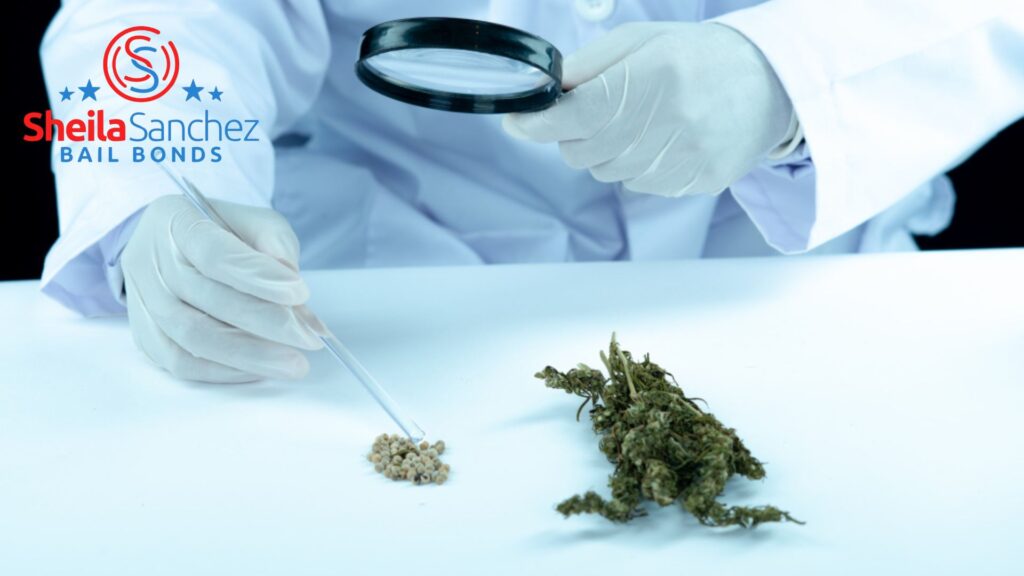
Cannabis-related charges
Marijuana Bail Bonds for Today's Cannabis Charges
These are the cannabis charges that still lead to arrests in Connecticut, and how each one usually affects the bond.
Possession Over the Limit
Having more cannabis than the law allows can be an infraction or a crime, depending on the amount. Small overages rarely need bail, while large amounts can bring a bond.
Unlicensed Sale
Selling cannabis without a state license remains illegal, even between adults. Sale charges are often felonies with bonds set in the thousands.
Intent to Sell
Large quantities, packaging, scales or cash can lead police to charge possession with intent to sell, which usually carries a felony bond.
Cannabis DUI
Driving while impaired by cannabis is charged under the same law as alcohol DUI. Testing and evaluation can take longer, which can affect release timing.
Sale to Someone Under 21
Providing cannabis to minors is treated seriously, especially near schools. Bonds are higher and conditions may include no contact with minors.
Unlicensed Grow Operations
Growing beyond home-grow limits or operating a commercial grow without a license can lead to felony charges and significant bonds.
Connecticut process guide
Cannabis Charges in Connecticut: Six Questions Families Ask
Every case is different. Release depends on the police, the bail commissioner and the court, so no bondsman can promise when someone will be released or how a case will end. These answers explain how the process normally works in Connecticut and are general information, not legal advice.
What happens after a cannabis arrest in Connecticut?
Since July 1, 2021, adults 21 and older may legally have up to 1.5 ounces on them and up to 5 ounces locked at home or in a vehicle. Possession over those limits is covered by CGS § 21a-279a, and selling or growing without a license by § 21a-278b.
Most arrests that lead to a bond involve sale, large amounts, driving under the influence (§ 14-227a) or other charges filed at the same time.
How is bail determined on a cannabis charge?
The police or the court apply the CGS § 54-64a factors, including the amount involved, any other charges and prior record. Many cannabis offenses are now infractions or misdemeanors, which limits money bail under Public Act 17-145.
Felony sale charges, weapons or other serious charges in the same arrest can lead to a higher bond.
What should family members prepare?
Have the full legal name, date of birth, the arresting agency, every charge listed and any bond amount. Note whether a vehicle was involved and where it was towed.
The co-signer should have ID, address, employer details and payment ready.
Can a co-signer arrange a payment plan?
Often, yes. Connecticut lets a licensed surety bail bond agent finance part of the premium through a written premium financing arrangement (CGS § 38a-660c), which requires a down payment and a signed promissory note. The premium itself is the rate filed with the Connecticut Insurance Department and cannot be discounted.
Approval depends on the co-signer’s income, history and the size of the bond, and every term is put in writing before anyone signs.
Where can a cannabis bond be posted?
Before the first court date, a bond set by the police is usually posted at the police department or state police barracks that made the arrest. Once the case reaches court, the bond is posted through the clerk or the courthouse lockup while court is in session. If the person has been moved to a Department of Correction facility, the bond is posted there.
What happens after release on a cannabis bond?
Conditions can include drug testing, no driving and no contact with co-defendants. Legal cannabis use can still break a release condition if the court orders no use.
Missing court can lead to a rearrest warrant and a forfeited bond (CGS § 54-66), and breaking a court-ordered condition is a separate crime (CGS § 53a-222).
Connecticut law referenced on this page: CGS § 21a-279a (possession limits), § 21a-278b (unlicensed sale or cultivation), § 14-227a (impaired driving), Public Act 17-145; CGS § 54-63c (police release), § 54-63d (bail commissioner review), § 54-64a (release by the court), Connecticut Practice Book § 38-8 (7% cash bail) and CGS § 38a-660c (premium financing).
How it works
From Cannabis Arrest to Release in Four Steps
Our process is the same for a small possession arrest or a large trafficking case. Here is what happens after you call.
1. Call Us
Tell us the person's name, date of birth and where they were arrested. A licensed agent answers 24/7.
2. We Check the Charges
We confirm every cannabis and related charge, the bond and any warrants with the police or court. For each marijuana charge, we check related cases.
3. Sign Securely
The co-signer reviews the agreement and pays the premium or first plan payment by phone, email or in person.
4. Release
We post the bond and coordinate the release. Release timing after posting depends on the station or facility, and we keep you updated.

Setting the bond
What Decides the Bond on a Marijuana Charge
For on-scene arrests, police set the first bond after booking. For larger cannabis investigations, such as unlicensed grow houses or distribution cases, police often obtain an arrest warrant with the bond already set by a judge.
If the bond is not posted, the defendant sees a judge at the next court session. A bail commissioner reviews the record, and the prosecutor may describe the amount of cannabis, any cash or weapons, and whether sales involved minors. The defense lawyer can present work history, family ties and other reasons for a lower bond.
Since Connecticut’s 2017 bail reform, judges generally cannot set money bail on most misdemeanors. Many minor cannabis charges fall into that group, so release without a bond is common. Felony sale and trafficking charges are different, and bonds remain the norm.
Out-of-state defendants are a frequent part of cannabis cases. People traveling through Connecticut with large amounts, or bringing cannabis across state lines, may face higher bonds because the court weighs their ties to the state. We can work with families anywhere in the country to arrange the bond remotely.
Judges can also add conditions, such as drug testing or no contact with co-defendants. Those conditions are part of the bond, and following them keeps the release in place.
Federal law is a separate issue. Cannabis remains illegal under federal law, and cases involving very large shipments, federal property or interstate trafficking can sometimes be handled in federal court, where different release rules apply. Most cannabis arrests in Connecticut stay in state court, and our agents focus on those state bonds. If a federal agency is involved, a lawyer should be contacted right away.
Workplace and licensing issues can follow a marijuana charge too. Commercial drivers, people in safety-sensitive jobs and anyone holding a professional license should talk with a lawyer about how the case could affect their work, even when the bond is small.
Factors That Shape a Cannabis Bond
- Amount of cannabis and evidence of sales
- Whether minors or school zones were involved
- Weapons or other drugs found during the arrest
- Prior drug charges, probation or missed court dates
- Residence in Connecticut or another state
Costs and payments
What Marijuana Bail Bonds Cost
The premium for Connecticut marijuana bail bonds follows the rate filed with and approved by the Connecticut Insurance Department. You pay the premium, not the full bond, and we explain it in writing before you sign. If several charges were filed, such as a cannabis charge plus a traffic or weapons charge, we total every premium so you know the full cost before you decide.
Approved Premium
The premium is calculated from the approved rate, with no extra charge for nights, weekends or holidays. It applies to all marijuana bail bonds we write.
Payment Plans
Connecticut allows financing with at least 35% down and a written note for the balance. We keep the terms simple.
Collateral When Needed
Large trafficking bonds may require collateral, which is returned once the bond is released and paid. Most marijuana bail bonds need no collateral.
After release
Common Conditions After a Cannabis Arrest
Conditions vary with the charge. Following them carefully protects the defendant, the co-signer and the bond. We go over each condition with the defendant before release so the rules of the marijuana charge are clear.
Drug Testing
Even though cannabis is legal for adults, a judge can order a defendant not to use it while the case is open, and can require testing.
No Driving Conditions
In cannabis DUI cases, courts may limit driving or require an ignition interlock device, and the DMV may act separately.
No Contact With Co-Defendants
In sale cases, judges often bar contact with others charged in the same investigation.
Court Appearances
Every court date must be kept. We send reminders before each hearing to keep the bond in good standing. A marijuana charge can still involve several hearings.
Why families choose us
Why Call Us After a Cannabis Arrest
Cannabis law changed quickly, and many families are unsure what is still illegal. We explain the rules plainly and handle the bond with care. Our team has posted marijuana bail bonds both before and after legalization, so we understand how the rules have changed.
Up-to-Date Guidance
We explain what the 2021 law allows and what still leads to charges.
24/7 Agents
Traffic stops and searches happen at all hours. We answer every call. Every cannabis arrest gets a fast, honest answer.
Bilingual Help
Agents explain bonds and conditions in English or Spanish.
Out-of-State Support
Families in other states can co-sign remotely for a Connecticut bond.
For families and co-signers
Helping a Loved One After a Cannabis Arrest
Many families are surprised to hear about a cannabis arrest now that adult use is legal. The first step is to learn exactly what the charge is. Call us, and we will confirm the charge, the bond and where your loved one is being held.
If the case involves only a small amount over the limit, there may be no bond at all, and we will tell you that honestly. If it involves sales, large quantities or other drugs, a bond is more likely, and we will explain the premium and any payment plan.
The co-signer guarantees that the defendant will attend court and follow conditions. We review the agreement carefully, including any no-use or testing conditions the judge may add.
For young adults under 21, cannabis possession is still not legal, even in small amounts. Parents of college students often call us after a campus or traffic incident. We explain the process and help plan the next steps.
Encourage your loved one to talk to a defense lawyer before discussing the case with anyone, and to keep all paperwork from the arrest in one place.
Medical cannabis patients sometimes face questions after a traffic stop or search. Keep a copy of the patient registration with you, and give it to your lawyer if a charge is filed. It does not prevent every charge, but it can matter when the facts are reviewed.
If police seized cash, a phone or a vehicle during the arrest, ask the lawyer about getting those items back. The bond and the seized property are handled separately, and we can explain which office deals with each part.
Have This Ready When You Call
- Full name and date of birth of the person arrested
- The town, police department or court involved
- The bond amount and charges, if known
- Your photo ID and phone number
- Payment for the premium or first installment

Mistakes to avoid
Protecting the Bond After a Marijuana Charge
These tips help defendants stay on track after we post Connecticut marijuana bail bonds. Following them helps the defendant stay home until the marijuana charge is resolved.
- Follow no-use orders. A court order overrides the general right to use cannabis.
- Do not drive impaired. A new DUI charge can end the bond.
- Avoid co-defendants. Contact can violate conditions in sale cases.
- Keep records. Receipts from licensed stores can matter in possession cases.
- Ask about erasure. Older records may qualify for clearing.
- Keep your address current. Notices must reach you.
Statewide service
Marijuana Bail Bonds Throughout Connecticut
Cannabis arrests often happen on highways such as I-95, I-91 and I-84, where people travel between states, as well as in cities and college towns. Our agents post bonds at every police department and court in Connecticut. College towns such as Storrs, New Haven and Middletown also see many cannabis arrests involving students under 21, and we help their parents from anywhere in the country.
Local pages: Hartford County, New Haven County, Fairfield County, Litchfield County, Middlesex County, New London County, Tolland County, Windham County. You can also see all service locations, our Connecticut jail guide and court addresses on the Connecticut Judicial Branch website.
Related services: Drug Crime Bail Bonds, DUI Bail Bonds, Felony Bail Bonds, Probation Violation Bail Bonds, or browse all bail bond services.

FAQ
Marijuana Bail Bond Questions
Is marijuana legal in Connecticut?
Yes, for adults 21 and older within legal limits. Sales without a license, possession above the limits, possession by people under 21 and impaired driving are still against the law. Local towns can also set rules about where cannabis may be used in public.
How much cannabis can I legally carry in Connecticut?
Adults 21 and older may carry up to one and a half ounces and store more at home or locked in a vehicle. Amounts above the limits can lead to penalties or charges.
Do you need bail for a marijuana charge?
Often not for small possession cases. Sale, intent to sell and trafficking charges usually carry a bond, which a licensed bail bondsman can post. We confirm whether a bond was set before asking you to pay anything.
Is selling cannabis without a license a felony?
Unlicensed sale is a serious offense and is often charged as a felony, especially in larger amounts or near schools. The bond in these cases depends on the amount, the location and the defendant’s record.
Can I be charged with DUI for cannabis?
Yes. Driving while impaired by cannabis is charged under the same statute as alcohol DUI, and bonds or conditions may follow. The DMV may also take separate action on the driver’s license.
Can a judge order me not to use cannabis while on bond?
Yes. A court can make no-use and testing a condition of release, even though cannabis is legal for adults. Breaking that condition can lead to a hearing and the loss of the bond, so follow it closely.
What if the person arrested lives in another state?
We can post the bond in Connecticut and complete the co-signer paperwork remotely with family anywhere in the country. The defendant must still return to Connecticut for court unless a lawyer arranges otherwise.
Were old marijuana convictions erased?
The 2021 law created ways to erase certain older cannabis convictions. A lawyer can check whether a specific record qualifies. Clearing an old record can help with jobs, housing and future court decisions.
How much do marijuana bail bonds cost?
You pay a premium at the state-approved rate based on the bond amount. Payment plans with at least 35% down are available. There are no extra charges for nights or holidays.
Are you open on weekends?
Yes. We post Connecticut marijuana bail bonds 24 hours a day, every day of the year. The premium never changes for weekends or holidays.
Need Help After a Cannabis Arrest?
A licensed, bilingual agent is ready to explain the charge and post Connecticut marijuana bail bonds anywhere in the state, day or night.