
Arraignments · Bail hearings · 24/7 help
Connecticut Courthouses Where Arraignments and Bail Decisions Happen
Connecticut courthouses are where a judge reviews the bond after an arrest. This guide lists every criminal courthouse, explains arraignment and shows how a bail bond is posted at court so your loved one can go home.
Court Facts at a Glance
What to know before the first court date.
- 17 GA criminal courthouses
- 13 judicial districts statewide
- Arraignment on the next court day
- Bail commissioners review every case
- English and Spanish spoken
- (860) 452-2245
17 GA Courts
Handle most criminal cases
13 Districts
For serious felonies
Next Day
Typical arraignment timing
24/7/365
Bonds arranged any hour
Quick answer: what happens at Connecticut courthouses after an arrest?
If the police bond is not posted, the person is brought to the Superior Court that serves the town of arrest, usually on the next business day. A bail commissioner reviews the case, and at arraignment the judge keeps, lowers or raises the bond and sets conditions. A licensed bail bondsman can then post the bond at the courthouse so the person is released. Call (860) 452-2245 any time.
How the courts work
How Connecticut Courthouses Are Organized
Connecticut has one statewide trial court, the Superior Court. It is divided into 13 judicial districts and a set of geographical areas, often called GA courts. Most criminal cases, including almost every arraignment, start in a GA courthouse.
The GA courts handle arraignments, misdemeanors, lesser felonies and motor vehicle cases. The most serious felony cases are usually transferred to the judicial district courthouse, sometimes called the Part A court. When families ask which of the Connecticut courthouses a case is in, the answer depends on the town where the arrest happened.
Some courthouses have closed or merged in recent years. Bristol cases moved to New Britain in 2019, and Norwalk cases were consolidated into Stamford in 2022. The Judicial Branch also no longer lists a separate Enfield courthouse. Always check the court notice or call us to confirm the correct address.
Every criminal courthouse has a lockup run by judicial marshals, a clerk’s office and an office of bail commissioners, also called intake specialists, from the Court Support Services Division. These are the people families deal with on the day of arraignment.
Juvenile cases are different. People under 18 usually appear at a Superior Court for Juvenile Matters, which has its own locations separate from the adult Connecticut courthouses listed below.
A bail bondsman who works at Connecticut courthouses every week knows how each clerk’s office handles bond paperwork, when the lockup releases people after arraignment, and how to reach the right office quickly. That experience helps a family move from a court notice to a release with fewer delays.

GA courts
Connecticut Courthouses for Arraignment (GA Courts)
These are the 17 geographical area courthouses listed by the Connecticut Judicial Branch. Arraignments for nearly all arrests take place at one of these Connecticut courthouses.
| Court | Location | Address | County |
|---|---|---|---|
| GA 1 | Stamford | 123 Hoyt St. | Fairfield |
| GA 2 | Bridgeport | 172 Golden Hill St. | Fairfield |
| GA 3 | Danbury | 146 White St. | Fairfield |
| GA 4 | Waterbury | 400 Grand St. | New Haven |
| GA 5 | Derby | 106 Elizabeth St. | New Haven |
| GA 7 | Meriden | 54 West Main St. | New Haven |
| GA 9 | Middletown | 1 Court St. | Middlesex |
| GA 10 | New London | 112 Broad St. | New London |
| GA 11 | Danielson | 120 School St. | Windham |
| GA 12 | Manchester | 410 Center St. | Hartford |
| GA 14 | Hartford | 101 Lafayette St. | Hartford |
| GA 15 | New Britain | 20 Franklin Square | Hartford |
| GA 18 | Torrington | 50 Field St. | Litchfield |
| GA 19 | Rockville (Vernon) | 20 Park St. | Tolland |
| GA 21 | Norwich | 1 Courthouse Square | New London |
| GA 22 | Milford | 14 West River St. | New Haven |
| GA 23 | New Haven | 121 Elm St. | New Haven |
Sources: Connecticut Judicial Branch court directory. Court locations and dockets can change, so confirm the address on your court notice.
Judicial districts
Judicial District Courthouses for Serious Cases
Serious felony cases are usually transferred from a GA court to the judicial district courthouse. Some judicial districts share a building with the local GA court.
| Judicial District | Criminal Courthouse |
|---|---|
| Ansonia-Milford | 14 West River St., Milford |
| Bridgeport (formerly Fairfield) | 1061 Main St., Bridgeport |
| Danbury | 146 White St., Danbury |
| Hartford | 101 Lafayette St., Hartford |
| Litchfield | 50 Field St., Torrington |
| Middlesex | 1 Court St., Middletown |
| New Britain | 20 Franklin Square, New Britain |
| New Haven | 235 Church St., New Haven |
| New London | 70 Huntington St., New London |
| Stamford-Norwalk | 123 Hoyt St., Stamford |
| Tolland | 20 Park St., Rockville |
| Waterbury | 400 Grand St., Waterbury |
| Windham | 120 School St., Danielson |
The judicial district of Fairfield was renamed the judicial district of Bridgeport in 2024. Civil and family matters may be heard at other buildings in the same district.
Arraignment day
What Happens on Arraignment Day
Arraignment is the first appearance in Superior Court and the moment the bond is reviewed. Here is how a typical arraignment day at Connecticut courthouses unfolds for someone held on bond.
Transport to Court
The person is brought from the police lockup or a correctional facility to the courthouse lockup early in the morning.
Bail Commissioner Interview
A bail commissioner interviews the defendant, checks the record and makes a release recommendation to the judge.
Before the Judge
The judge reviews the charges and keeps, lowers or raises the bond. Conditions such as a protective order may be added.
Call a Bondsman
Once the bond is set, call (860) 452-2245. We confirm the amount with the clerk and explain the premium and payment options.
Bond Is Posted
Our licensed agent posts the surety bond at the courthouse after the co-signer signs and pays.
Release From Court
The person is released from the courthouse lockup with the next court date in writing.
At the courthouse
Tips for Families Attending Court
Being in a courtroom for the first time can be stressful. These simple steps help families support their loved one and keep the bail bond process moving.
Arrive Early
Security lines can be long. Arrive at least 30 minutes before court opens and bring a photo ID.
Dress and Behave Respectfully
Wear neat clothing, silence your phone and follow the instructions of judicial marshals.
Talk to the Lawyer
Introduce yourself to the public defender or private attorney. Family support can help at a bail hearing.
Who you will meet
The People in Every Connecticut Courtroom
Knowing who does what at Superior Court makes arraignment day less confusing. These are the people families meet most often at Connecticut courthouses.
The Judge
Decides the bond and conditions at arraignment, schedules future dates and rules on motions to change the bond.
The Prosecutor
An assistant state's attorney represents the state, reviews the charges and may argue for a higher bond or conditions.
The Defense Attorney
A public defender or private lawyer represents the defendant and can argue for a lower bond at arraignment.
The Bail Commissioner
An intake specialist from the Court Support Services Division interviews the defendant and recommends release conditions.
Judicial Marshals
Run courthouse security and the lockup, and escort defendants who are held in custody to and from the courtroom.
The Clerk
Keeps the court file, records the bond and conditions, and issues the paperwork a bail bondsman needs to post the bond.
Court terms
Court Terms Families Hear at Arraignment
Courtroom language can be confusing. These plain-English definitions help you follow what happens at Connecticut courthouses and talk with the lawyer and the bail bondsman.
Docket
The list of cases a court will hear that day. Each case is called in turn, so families may wait several hours.
Continuance
A new court date. Many cases are continued several times before they are resolved, and each date must be attended.
Information
The formal charging document filed by the prosecutor in Superior Court, listing the charges against the defendant.
Plea
The defendant's answer to the charges. At arraignment, most defendants plead not guilty while the lawyer reviews the case.
Transfer to Part A
Moving a serious felony case from the GA court to the judicial district courthouse for further proceedings.
Bond Release
The end of the bond when the case is dismissed, nolled or sentenced. The bail bondsman confirms the release with the clerk.
By county
Connecticut Courthouses in All 8 Counties
Find the Superior Court locations that handle arraignment in each county. For local details about police, facilities and bail, choose a county.
Fairfield County
Arraignments are held in Stamford (GA 1), Bridgeport (GA 2) and Danbury (GA 3). Serious cases go to the Bridgeport, Stamford-Norwalk or Danbury judicial district.
Hartford County
Arraignments are held in Hartford (GA 14), Manchester (GA 12) and New Britain (GA 15). Serious cases go to the Hartford or New Britain judicial district. Since October 1, 2025, cases from Avon, Burlington, Canton, Farmington, Granby and Simsbury go to Torrington (GA 18), along with Hartland cases.
Litchfield County
Arraignments for Litchfield County are held in Torrington (GA 18), which shares a building with the Litchfield judicial district courthouse. Watertown and Woodbury cases go to Waterbury (GA 4), and Plymouth cases go to New Britain (GA 15).
Middlesex County
Arraignments are held in Middletown (GA 9) at 1 Court Street, the same building as the Middlesex judicial district courthouse.
New Haven County
New London County
Arraignments are held in New London (GA 10) and Norwich (GA 21). Serious cases go to the New London judicial district courthouse on Huntington Street.
Tolland County
Arraignments are held at GA 19 in Rockville, a section of Vernon. Serious cases go to the Tolland judicial district in the same area.
Windham County
Arraignments are held in Danielson (GA 11), which shares a building with the Windham judicial district criminal court.
Bail at court
Bail Hearings and Bond Changes
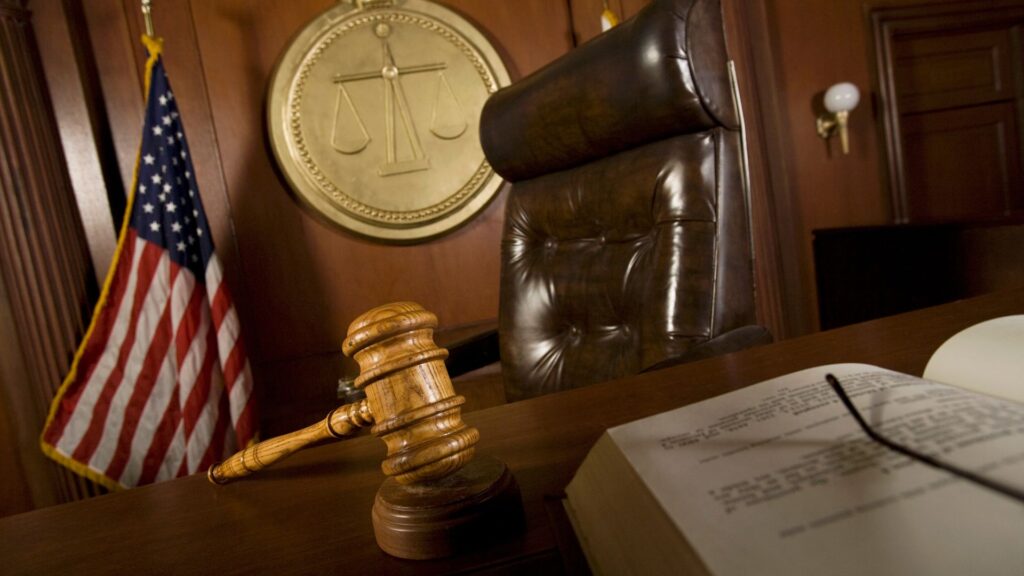
At arraignment, the judge can keep the bond set by the police, lower it, raise it or release the person on a promise to appear. The judge considers the charges, the person’s record, ties to the community and the bail commissioner’s recommendation.
If the bond stays too high, a defense attorney can ask for a bond review at a later court date. Families can help by providing proof of a job, a stable address and community support. Meanwhile, a bail bondsman can post the bond as it stands, so the person does not have to wait in custody for a review.
Since January 1, 2024, Connecticut courts allow many people with a bond of $50,000 or less to deposit 7% in cash with the court instead of using a bondsman. Our guide to how bail bonds work explains when that option makes sense and when a surety bond is faster.
Conditions of release matter as much as the dollar amount. A judge may order no contact with a complaining witness, a curfew, an alcohol or drug evaluation, or electronic monitoring. Breaking a condition can lead to a new arrest and a higher bond, so our agents review every condition with the family before release.
- Ask the clerk for the bond amount and conditions
- Write down the next court date before you leave
- Call us and we post the bond at the courthouse
After release
Keeping Every Court Date
Once released, the defendant must attend every hearing at the right courthouse. Missing court can lead to forfeiture and a new warrant, so planning ahead protects everyone.

How to Stay on Track
- Keep the court notice in a safe place
- Confirm the courthouse address before each date
- Arrive early and allow time for security
- Answer reminder calls from our team
- Tell us right away about any address change
If Something Goes Wrong
- Call us the same day at (860) 452-2245
- Contact the defense attorney about a new date
- Read about failure to appear bail bonds
- Plan a voluntary return to court
- Do not wait for a warrant to be served
Connecticut bail guides
Helpful Guides for Families
 How Long Does Bail Release Take in CT?Jail release time CT families face depends on where the person is held, who set the bond and any holds. Learn each…Read the guide →
 How to Find Someone Arrested in ConnecticutConnecticut inmate search made simple: how to find someone arrested in CT using the police, the DOC lookup and the Judicial Branch…Read the guide →
FAQ
Connecticut Courthouses: Common Questions
How many criminal courthouses are in Connecticut?
The Connecticut Judicial Branch lists 17 geographical area (GA) courthouses for criminal cases, organized within 13 judicial districts.
Which courthouse will my loved one go to after an arrest?
The case goes to the GA courthouse that serves the town where the arrest happened. Call us with the town and we will confirm the court and address.
When is arraignment after an arrest in Connecticut?
If the person is held on bond, arraignment usually happens on the next business day. Arrests on Friday night or before a holiday may wait until the next court day.
Can bail be posted at a Connecticut courthouse?
Yes. After the judge sets the bond, a licensed bail bondsman can post it at the courthouse, and the person is released from the courthouse lockup.
What does a bail commissioner do?
A bail commissioner, also called an intake specialist, interviews the defendant, checks the record and recommends release conditions to the judge.
Can a judge lower the bond at arraignment?
Yes. The judge can keep, lower or raise the bond, or release the person on a promise to appear, based on the charges, record and community ties.
Is the Norwalk courthouse still open for criminal cases?
Norwalk criminal cases were consolidated into the Stamford courthouse at 123 Hoyt Street in 2022.
What happened to the Bristol courthouse?
The Bristol GA 17 courthouse closed in 2019, and its cases moved to the New Britain courthouse at 20 Franklin Square.
What should I bring to court?
Bring a photo ID, the court notice and any documents your lawyer requested. Leave weapons and prohibited items at home, because every courthouse has security screening.
What is the difference between a GA court and a judicial district court?
GA courts handle arraignments, misdemeanors and lesser felonies. The judicial district courthouse, part of the same Superior Court, hears the most serious felony cases after they are transferred.
Does a bail bondsman need to be at the courthouse in person?
Not always. Our agents can prepare the paperwork remotely and post the bond at the courthouse once the judge sets it, so family members do not need to wait in the courtroom.
Are Connecticut courthouses open on weekends?
No. Superior Court criminal sessions run on business days. People arrested on a weekend or holiday who are not released on a police bond usually appear on the next business day.
Can family members speak at an arraignment?
Usually the lawyers speak for the defendant. Family members can help by giving the defense attorney information about work, home and community ties before the case is called.
Can I look up a court date online?
Yes. The Connecticut Judicial Branch website offers a criminal and motor vehicle case look-up for pending cases, which shows upcoming court dates and the courthouse.
Where should I park at the courthouse?
Parking varies by location. Many downtown Connecticut courthouses rely on nearby public garages or street parking, so allow extra time before court opens.
Can you help on weekends before court opens?
Yes. Sheila Sanchez Bail Bonds answers 24 hours a day, 7 days a week. We can often post a police bond before court, or be ready the moment the judge sets the bond. Call (860) 452-2245.
Need Help on Arraignment Day?
A licensed, bilingual bail bondsman can confirm the bond with the clerk and post it at any Connecticut courthouse.